
 Identity
Students feel seen, heard and recognised
Identity work early in the year gives every student a way to describe themselves that is theirs, not a label handed to them by someone else.
Ten classroom activities that help students name who they are, set their boundaries, and respect everyone else’s.

Using someone’s name is the smallest act of respect there is, and the one that changes a room the fastest.
Ten sessions run inside normal class time, one a month, each building on the last. Written by child psychologists and experienced teachers. Students celebrate, define and defend their own identity, and the year ends with a festival built from their own work.
People need the tools, and the permission, to talk about these complex issues in respectful ways. Discrimination is hard to discuss without shared words, so the campaign hands students and staff the vocabulary and the safety to have the conversation properly.
Activities adapt from the youngest classes to the highest grades. Students, parents and educators all get the framework, the tools and the permission to define their own boundaries.
Tools to build self-worth and personal value. Activities that show students the impact their words carry. Methods that turn mutual respect into a habit rather than a rule.
Ten classroom-based activities, roughly one a month, culminating in a celebration of identity in June. The timeframe flexes to suit your calendar.
This campaign provides the framework for an organic cultural shift to one of inclusion, acceptance and respect. Create the culture you want to work in.
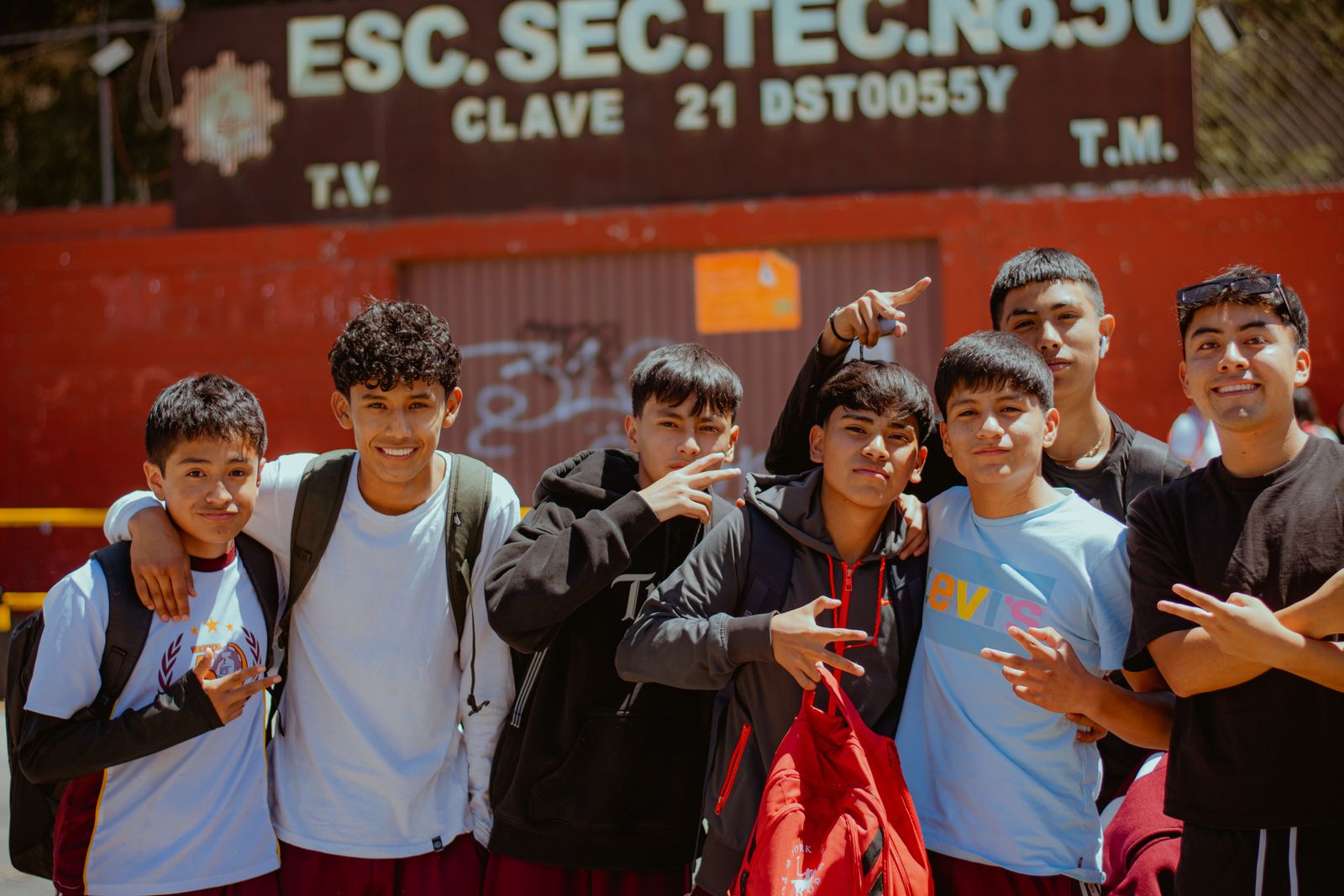
The campaign is designed to shift daily behaviour, not to run an assembly and hope.
Identity
Identity work early in the year gives every student a way to describe themselves that is theirs, not a label handed to them by someone else.
 Boundaries
Students practise naming what is not okay with them, and hearing it from someone else without the moment escalating.
 Culture
Shared language and repeated practice take the fuel out of name-calling. Conversations carry on between sessions, and that is where the culture actually moves.
The order matters more than the spacing. Here are the first four months; the full year is on the programme page.
Builds a foundation of trust and openness, then sends each student to find the meaning and the love behind their own name.
Guides students to identify and express how they want to be addressed.
Explores why a name carries more respect than any label ever could.
Shows students that they are far too complex to be reduced to a single label.

Tell us your school, your year groups and roughly when you want to start. We’ll send the activity pack and walk you through the first session.
Ten activities · one school year · no new subject on the timetable